
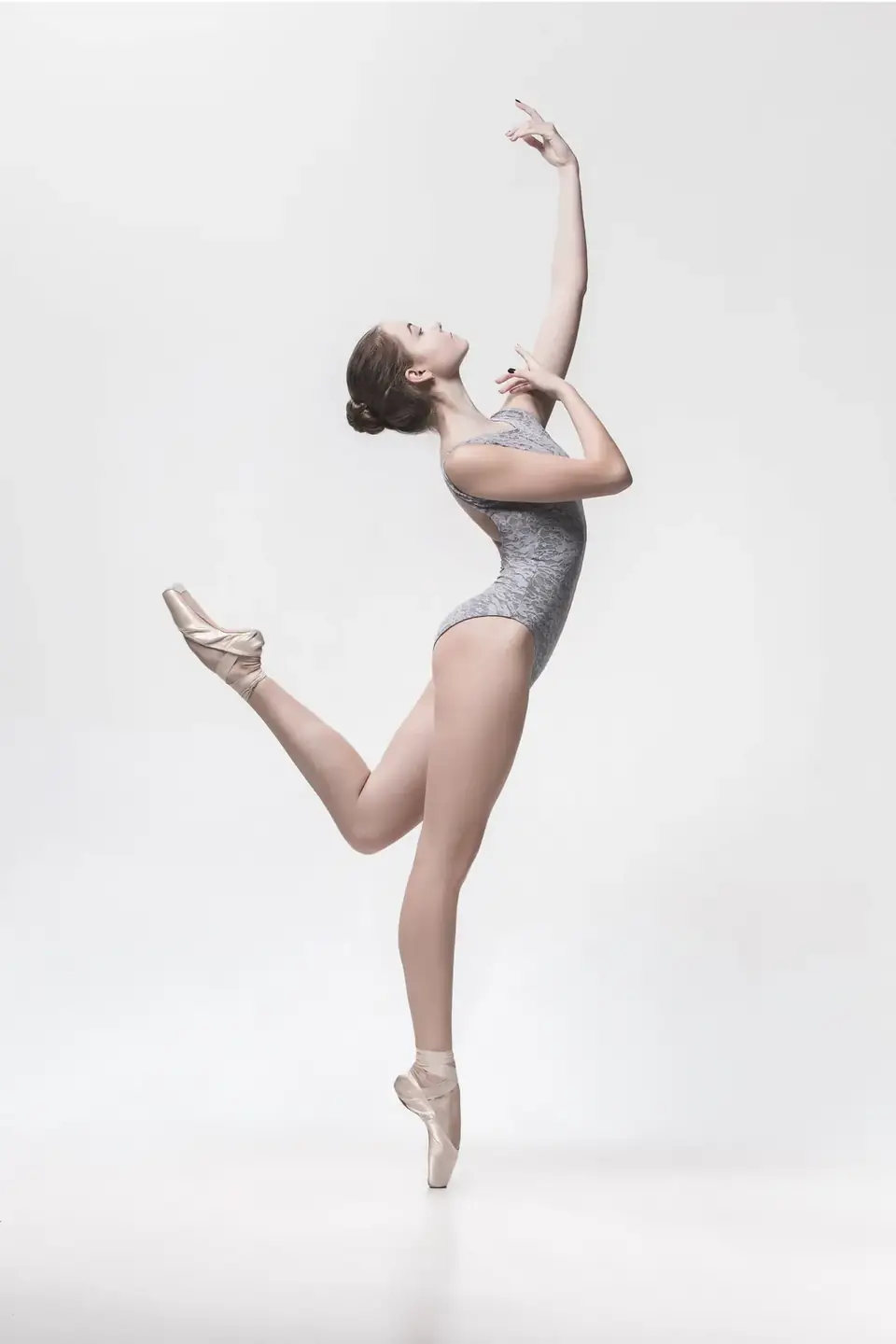
Low back pain is one of the most recurrent complaints in research on dancers. A systematic review spanning ballet, modern and hip-hop found high prevalence, although estimates varied widely between studies. A broader epidemiological review reported the same difficulty: figures change with definitions, time windows and populations. The most defensible conclusion is that dancers are vulnerable to low back pain, not that dance has one unique causal mechanism.
Ballet and other forms demand extension, rotation, inclination and trunk control through ranges that exceed many everyday activities. Range alone, however, does not explain who develops pain. Strength, fatigue, technique, volume, growth, recovery and previous episodes all matter. The lumbar spine works within a chain in which the hip, pelvis and thorax share movement. When one segment changes, others reorganise.
That complexity explains why simple visual corrections have limited reach. A cue such as 'place the pelvis' or 'hold the abdominals' may help in one context but is not a universal treatment. Persistent pain requires individual assessment and cannot be diagnosed from the appearance of an arabesque. At the same time, pain does not automatically imply serious structural damage; intensity, function and progression over time are different pieces of information.
For teaching, a useful contribution is to allow variation and monitor response. Graded extension, trunk strength, hip and thoracic mobility and workload management can all be part of preparation. When pain appears, noticing which movements reproduce it and how the dancer recovers is more informative than searching for one culprit.