
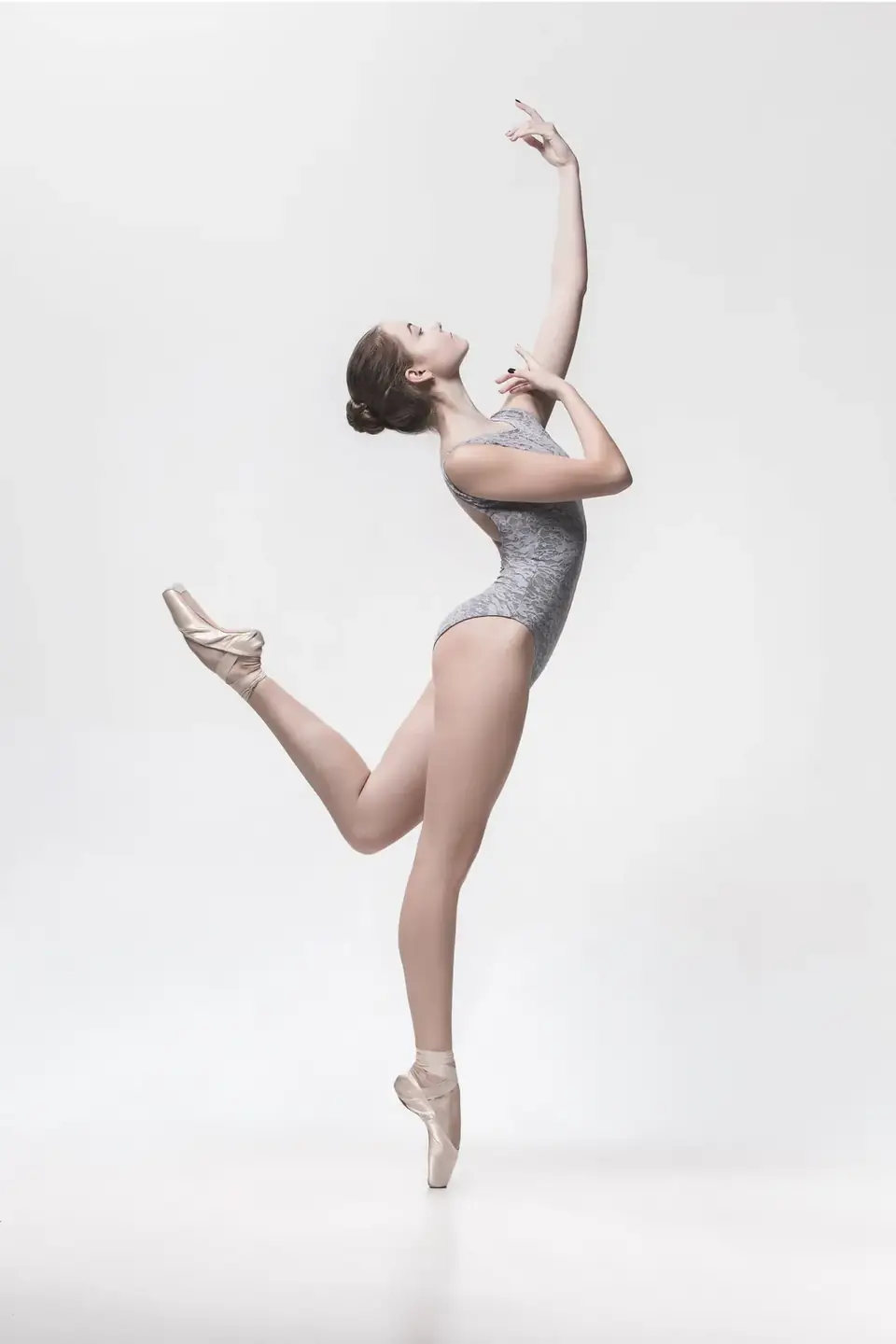
Dance is physically demanding and often embedded in a strict aesthetic culture. That combination can create situations in which energy intake does not match the cost of training. Research on dancers has documented associations between disordered eating, menstrual disturbance and lower bone mineral density for decades. A systematic review found meaningful prevalence of all three components, although populations and methods varied substantially.
The central issue is not one body type. It is energy availability: how much energy remains for physiological functions after the cost of exercise is accounted for. When that balance stays low, the body can reorganise priorities, affecting hormonal function, bone health, recovery and performance. The issue is particularly important in young dancers because bone development and maturation occur while training volume is also increasing.
The conversation is difficult because early signs are not always visible and body weight alone says little. A dancer can look stable while experiencing irregular cycles, persistent fatigue or a history of stress fractures. Menstrual irregularity should not be normalised simply because someone trains heavily. When warning signs appear, individual medical and nutritional assessment is the appropriate route.
Pedagogically, environments that reduce weight-focused commentary and expand functional language can protect both health and learning. Food is neither a reward nor a punishment for training; it is part of the capacity to train. Dance aesthetics do not need to be built against the physiology of the body that produces them.