
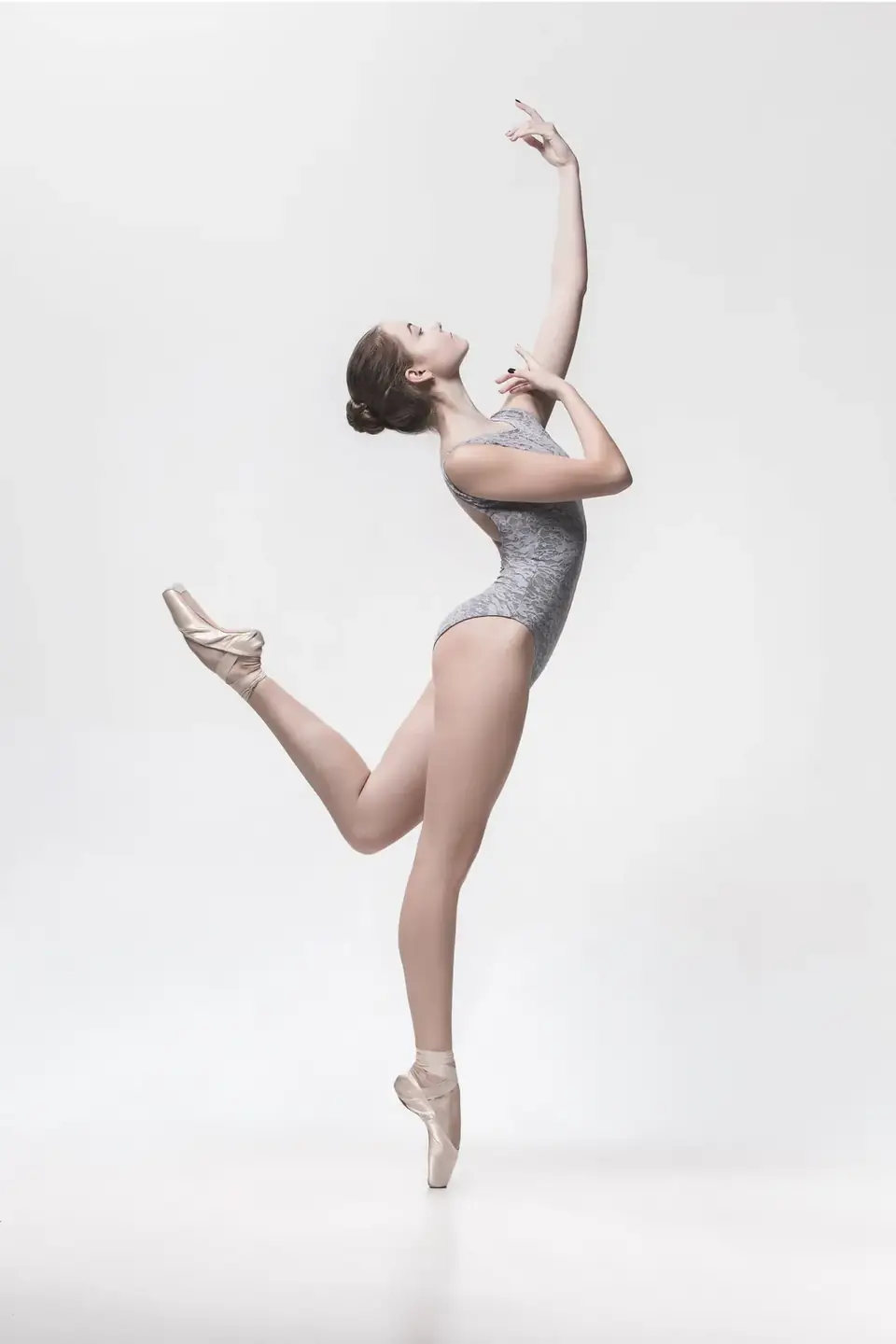
The body that walks onstage is not exactly the body that was in the studio. Heart rate, breathing, attention and perception of error can change before the first movement. Some arousal is compatible with strong performance and may even be useful. Difficulty begins when anxiety consumes resources that should be available for timing, memory, musicality and decision-making.
Dance adds particular pressures: aesthetic evaluation, bodily exposure, casting, comparison and little room to correct visibly during performance. A systematic review of psychological interventions in dancers found work on performance anxiety and emotional regulation, but the evidence base remains small and heterogeneous. That argues against quick promises and in favour of individualised strategies.
Pre-performance routines may help not because they eliminate nerves but because they reduce uncertainty. Breathing, imagery, familiar warm-up, attentional cues and rehearsals that simulate stage conditions can support some dancers. The aim does not have to be zero anxiety; it can be finding a level of activation at which attention remains functional.
The environment's interpretation also matters. When nervousness is treated as weakness, dancers are more likely to conceal it and increase self-monitoring. When it is understood as something that can be trained and managed, there is room to test strategies, talk openly and seek professional support if symptoms are intense or persistent.