
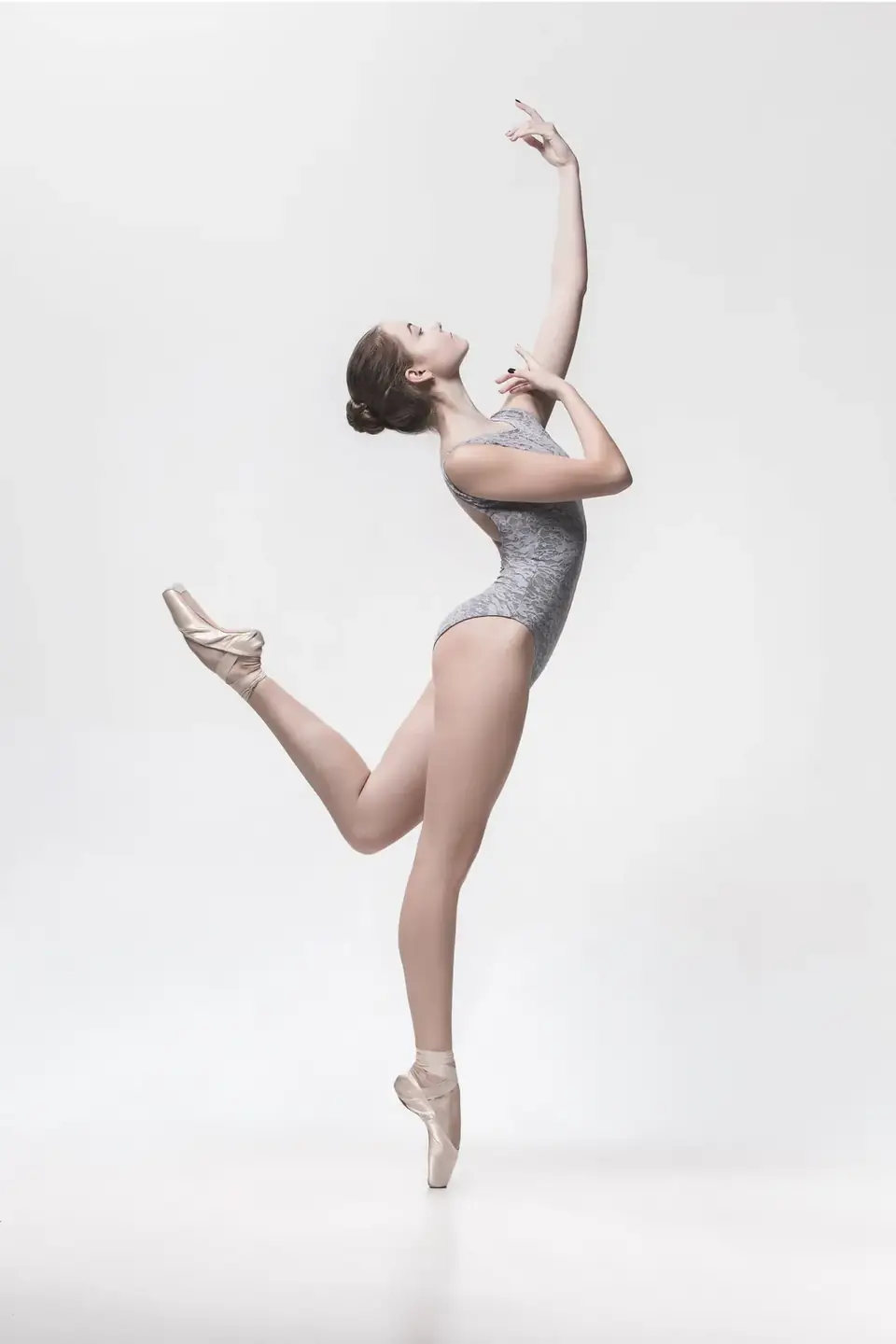
Dance demands repetition, fine correction and public exposure. Those elements can support excellence, but they also make the environment sensitive to perfectionism, comparison and fear of failure. A recent systematic review of mental-health risk factors in dancers identified perfectionism, low self-esteem and body dissatisfaction among the more consistent intrinsic factors. Teacher behaviour and traumatic experiences appeared among relevant extrinsic factors.
Not all perfectionism works in the same way. High standards can organise attention and practice. Risk increases when personal worth depends on avoiding mistakes, when correction is experienced as rejection, or when small errors produce disproportionate rumination. In competitive settings, uncertainty around casting, auditions and careers can intensify the cycle. The same trait that helps someone repeat a variation one hundred times can make it harder to recognise exhaustion or ask for help.
The literature on dancer-specific psychological interventions remains small. A systematic review found only 11 studies, focusing on performance anxiety, emotional regulation, eating-disorder symptoms and psychological rehabilitation after injury. That shows both that intervention has genuine potential and that no single technique can responsibly be marketed as a proven answer for everyone.
For schools and companies, the most basic shift is to separate high standards from humiliation. Feedback can be exact without being threatening; errors can be treated as learning data; rest and help-seeking do not have to be interpreted as lack of commitment. A strong culture does not lower technical standards. It increases the chance that those standards remain sustainable.