
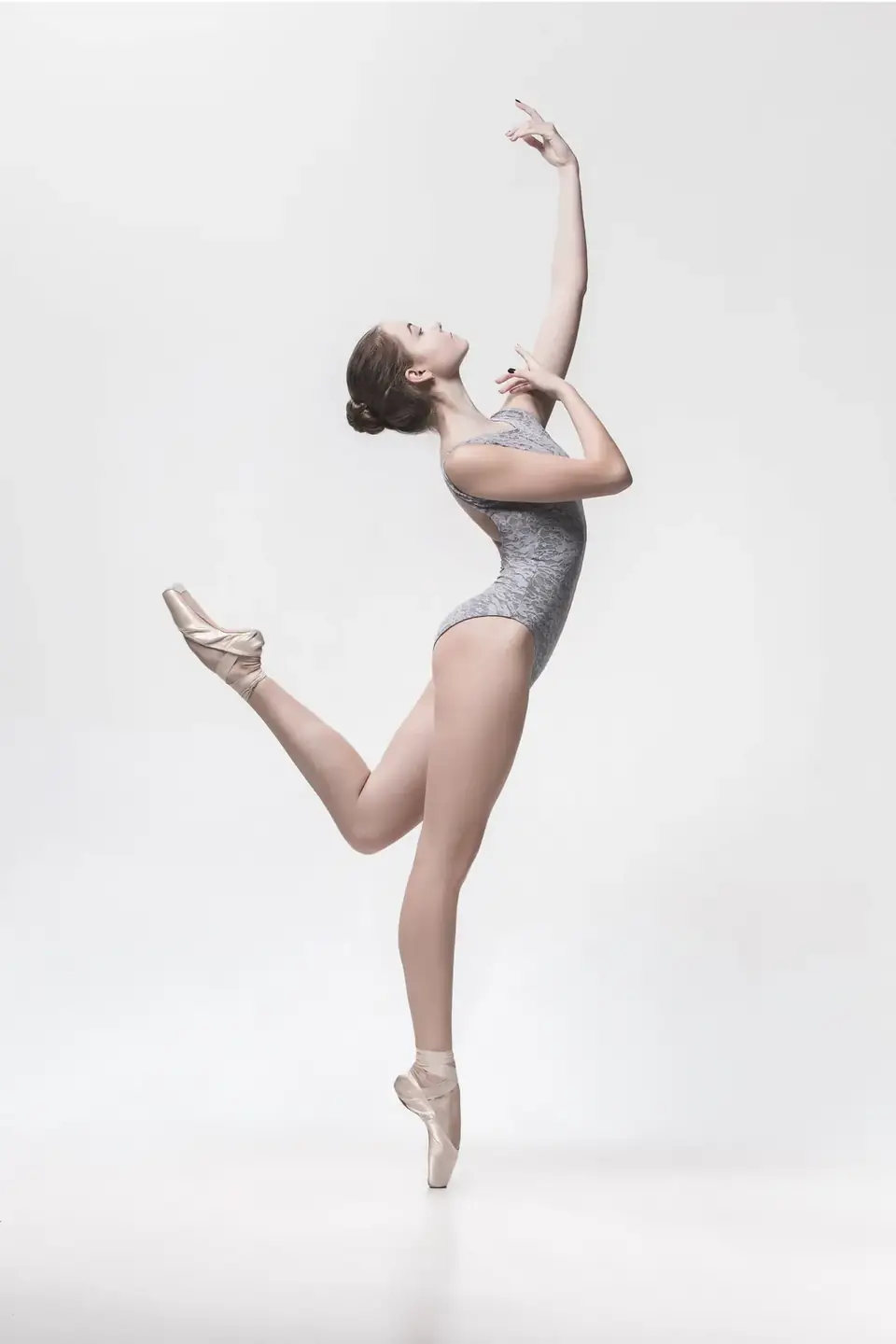
One of the most common traps after injury is treating the disappearance of pain as complete recovery. Pain may decrease before strength, load tolerance, coordination and confidence are fully restored. In dance, that distinction is especially important because returning does not simply mean walking or running again; it means resuming plié, relevé, jumping, turning, pointe work, partnering and repertory at enough volume to rehearse and perform.
Ballet rehabilitation literature proposes body-region-specific progressions, while acknowledging that universal validated criteria are still lacking. A narrative return-to-ballet protocol recommends gradually increasing dance-specific complexity and load. At the same time, work on return-to-dance readiness highlights a lesson shared with sport: physical capacity is only one part of the decision; confidence, fear of reinjury and performance context matter too.
That changes the logic of return. Instead of asking only 'can the dancer dance yet?', it can be more useful to break the task down: can they tolerate barre, repeat small jumps, maintain quality as volume increases, respond well the next day, and recover movements that previously caused fear? Progression becomes the rebuilding of exposure rather than a jump between forbidden and cleared.
For schools and companies, a graded return may look slower at the beginning and faster overall because it reduces pressure to prove readiness in one day. The goal is not to eliminate all risk — that is impossible — but to restore enough capacity for the dancer to absorb the real demands of the work with margin and confidence.