
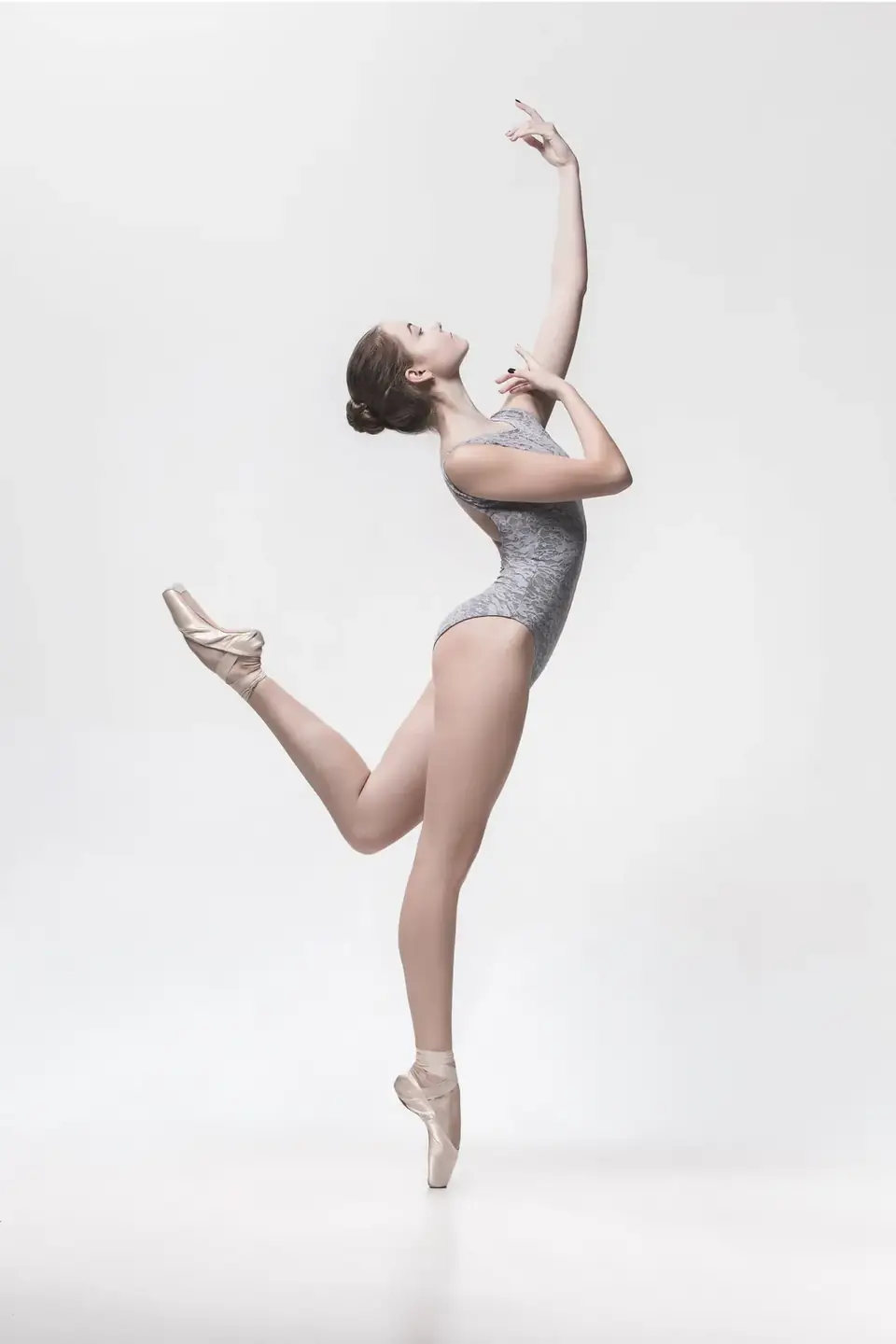
Injury often brings to mind a clear event: a twist, fall or sudden snap. In dance, however, a substantial proportion of reported problems are classified as overuse. Ballet reviews show that many conditions develop gradually, particularly in the lower limbs, while students and professionals accumulate large volumes of repeated movement. The challenge is that the boundary between discomfort, pain, medical injury and time-loss injury differs from one study to another.
That definitional difference is not a statistical footnote. A study counting only injuries that stop class will miss dancers who continue while in pain. A study that includes any physical complaint will report a higher incidence. Systematic reviews repeatedly highlight this heterogeneity and warn against comparing raw figures as though they mean the same thing. Dance epidemiology becomes more useful when exposure, severity and injury criteria are described consistently.
Practically, overuse is better understood as a mismatch between demand and adaptive capacity than as an abstract excess of movement. The same sequence may be tolerable one week and problematic the next depending on sleep, strength, seasonal transition, growth, injury history and accumulated volume. That is why prevention cannot be reduced to correcting technique or adding more stretching.
A mature prevention culture should allow early signals to be communicated without turning every ache into a crisis. Monitoring load, recognising pattern changes, adjusting progressions and providing access to clinicians who understand dance are more consistent with current evidence than waiting until an injury becomes large enough to force complete rest.