
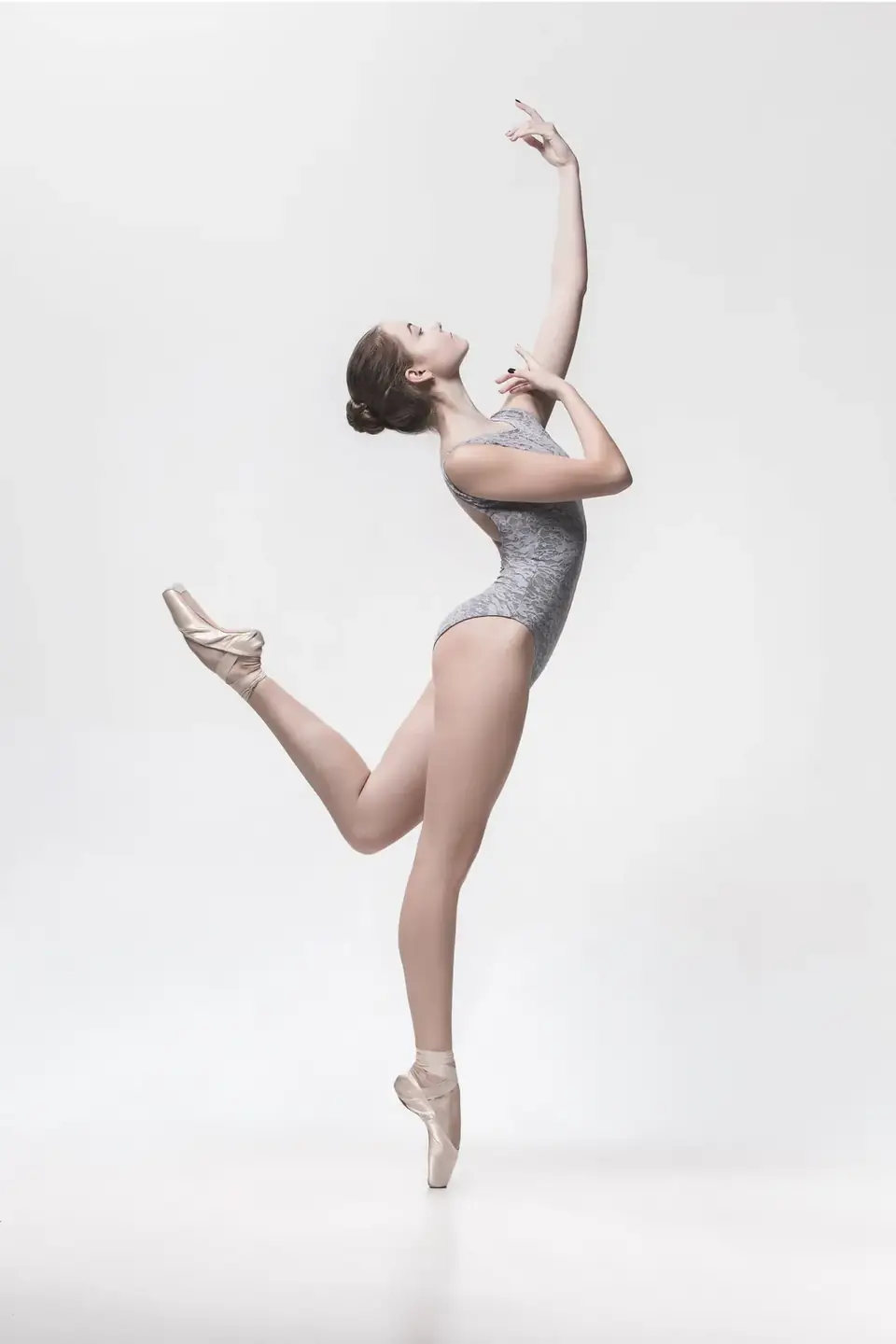
In rehearsal, fatigue is often felt before it becomes visible: jumps feel heavier, the leg is slower, the trunk has to work harder. Research confirms that fatigue can alter mechanics, but not in a simple or uniform way. A dancer-specific systematic review found only 12 studies and highlighted major differences between fatigue protocols. Some studies detected mechanical changes after fatigue, yet the pattern across joints was inconsistent. That makes statements such as 'when dancers tire, X always happens' difficult to defend.
The uncertainty does not make fatigue irrelevant. It shows why context matters more than a single warning sign. Dance genre, task, technical level, rehearsal duration, injury history and physical capacity all shape the response. A well-prepared body may redistribute load effectively; another may lose margin and increase compensation. Laboratory fatigue protocols also do not always resemble a real class, dress rehearsal or performance.
In practice, the useful question is when quality stops returning after a short pause and begins to alter the movement more persistently. Repetition is essential for learning, but repetition under increasing fatigue can also reinforce strategies the teacher did not intend to teach. This is particularly relevant for jumps, landings, pointe work and sequences in which there is little time to correct.
Managing fatigue does not mean avoiding effort. It means organising effort. Alternating tasks, considering jump volume, recognising transition weeks and watching for loss of precision can protect quality without turning training into excessive caution. Current evidence supports a culture of monitoring more strongly than any universal cut-off rule.