Neoclassical · Verónica Tandura Method

Breathe. Feel. Dance.

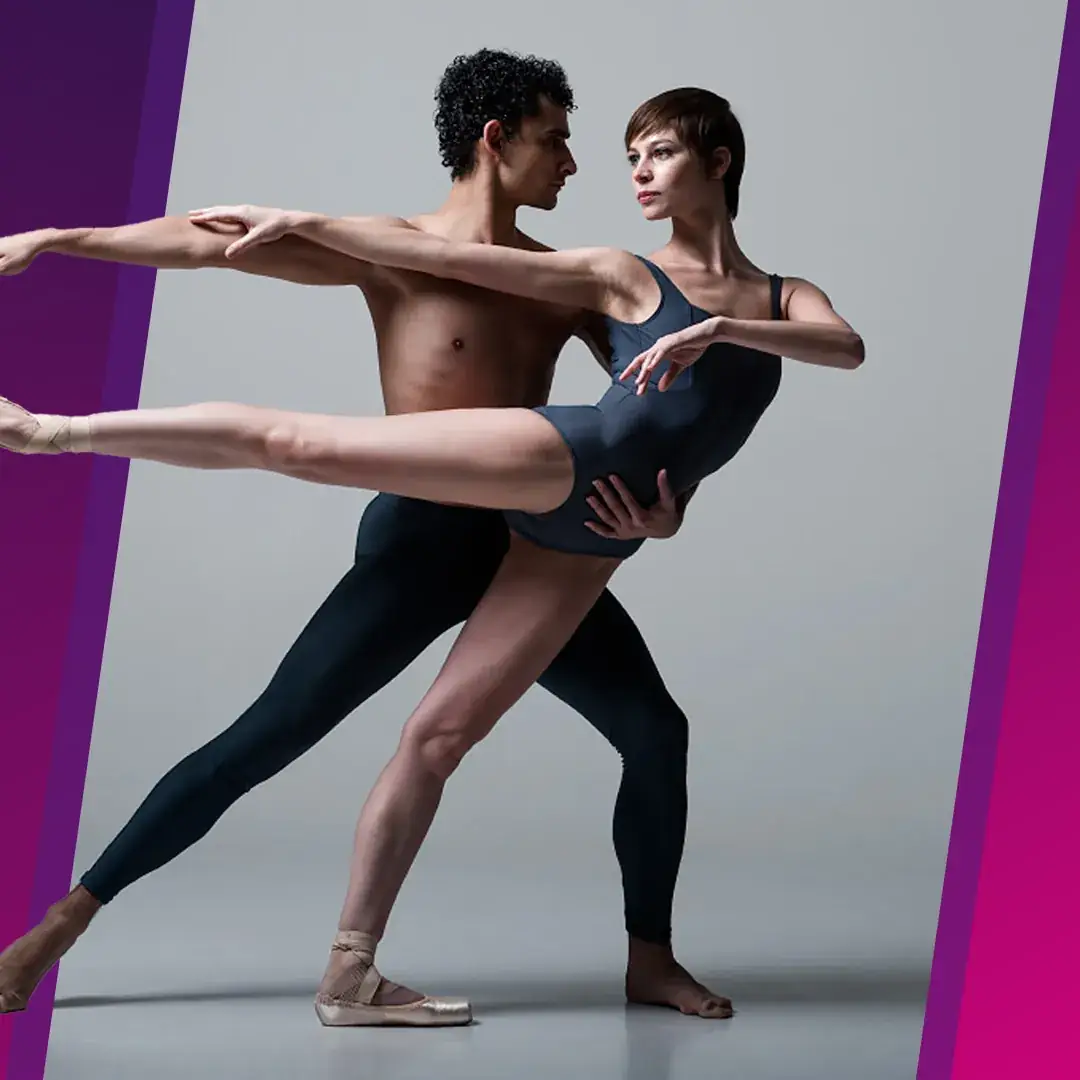
A Neoclassical practice structured to expand awareness, musicality and movement possibilities while keeping dance at the center.

The Method

Classical structure. Living movement.

Created by Verónica Tandura in 2004, the Method starts from the grammar of Ballet — a complete barre and centre — and develops a Neoclassical practice that asks for technique, perception, musicality and a readiness to discover other movement solutions.

The Method is structured through the study of movement biomechanics and respect for the body. This does not turn class into a laboratory: technique provides organisation while the dancer explores how to preserve clarity, efficiency and quality without reducing movement to a rigid shape.

Exercises combine classical vocabulary with music from varied styles, different pathways for port de bras and torso, and movements characteristic of the Method. Breathing and sensation are used as attentional tools to deepen body awareness, refine technique and expand expressive possibilities.

The proposal is deliberately demanding. There is always something new to learn and work on: rather than repeating a fixed formula, class presents coordination, musical, perceptual and expressive problems that keep technique alive.

Architecture of the practice

01

Barre and centre

Class preserves a recognisable Ballet structure. Barre organises preparation, support and coordination; centre work moves those relationships into space, where balance, transitions and intention must remain available without fixed support.

02

Biomechanics and respect for the body

Biomechanics guides the construction of the Method. Pedagogically, this means observing how the body produces, transfers and receives force while acknowledging individual differences instead of forcing one shape at any cost.

03

Breathing and sensation

Breathing and feeling are not presented as decorative language. They are ways of directing attention towards tension, support, direction, continuity and effort, helping dancers perceive what they are doing while they move.

04

Musicality

Music from varied styles changes accent, timing, dynamics and intention. The Method uses that variety to resist automatic execution and to train technique and musicality as parts of the same action.

05

Port de bras and torso

Different pathways for arms and torso expand the available solutions on top of a known technical base. The aim is not decorative gesture, but reorganising coordination, direction and flow without losing bodily clarity.

06

Perception and bodily intelligence

The Method’s characteristic movements develop perception and bodily intelligence. The emphasis is on recognising adjustments, learning from sensation and gaining resources to respond to new challenges without relying only on external correction.

In brief

What is Neoclassical — Verónica Tandura Method?

It is a Neoclassical dance practice created by Verónica Tandura in 2004. It starts from Ballet structure — barre and centre — and combines technique, musicality, perception, breathing, port de bras and torso work to expand movement possibilities.

01

What is the practice for?

It develops dance technique without separating execution, perception and expression. Classes work on coordination, body awareness, musicality, balance, transitions and movement vocabulary.

02

Why practise it?

Because it combines a recognisable technical base with varied music, dynamics and bodily pathways. This creates room to refine technique while exploring other movement solutions.

03

What benefits does the practice work on?

Body awareness, coordination, musicality, balance, expressiveness and a broader movement vocabulary are central pedagogical goals. The aim is to gain resources for perceiving, organising and expressing movement with greater clarity.

04

Is it classical Ballet?

No. The Method uses Ballet grammar and class structure as a base, while incorporating varied music, different port de bras and torso pathways, dynamic exploration and movements characteristic of Neoclassical practice.

05

Who can practise it and how do you start?

There are paths for Ballet students from age 12, from beginner to professional level, and also for adult beginners. Format and level should match each person’s experience; study can be in person, live online or recorded.

The benefits described are pedagogical goals and expected practice experiences. They are not clinical promises or guarantees of individual results.

Scientific context

What research helps us see.

Scientific literature offers useful language for understanding why biomechanics, proprioception, attention, variability, imagery and repeated practice matter in dance learning and performance. This context broadens the reading of movement without serving as specific external validation of the Method.

DanceNeo presents the Method and scientific literature in separate layers. Technical articles identify sources, limitations and uncertainty explicitly.

Explore the technical library

A method for different trajectories.

Classes are designed for Ballet students from age 12 across beginner, intermediate, advanced and professional levels, and also for adult beginners who have never danced. The common ground is not prior virtuosity: it is developing perception, coordination, musicality and movement through progression appropriate to the body and experience.

The Method

Dance is always front and center.

Creator

Verónica Tandura

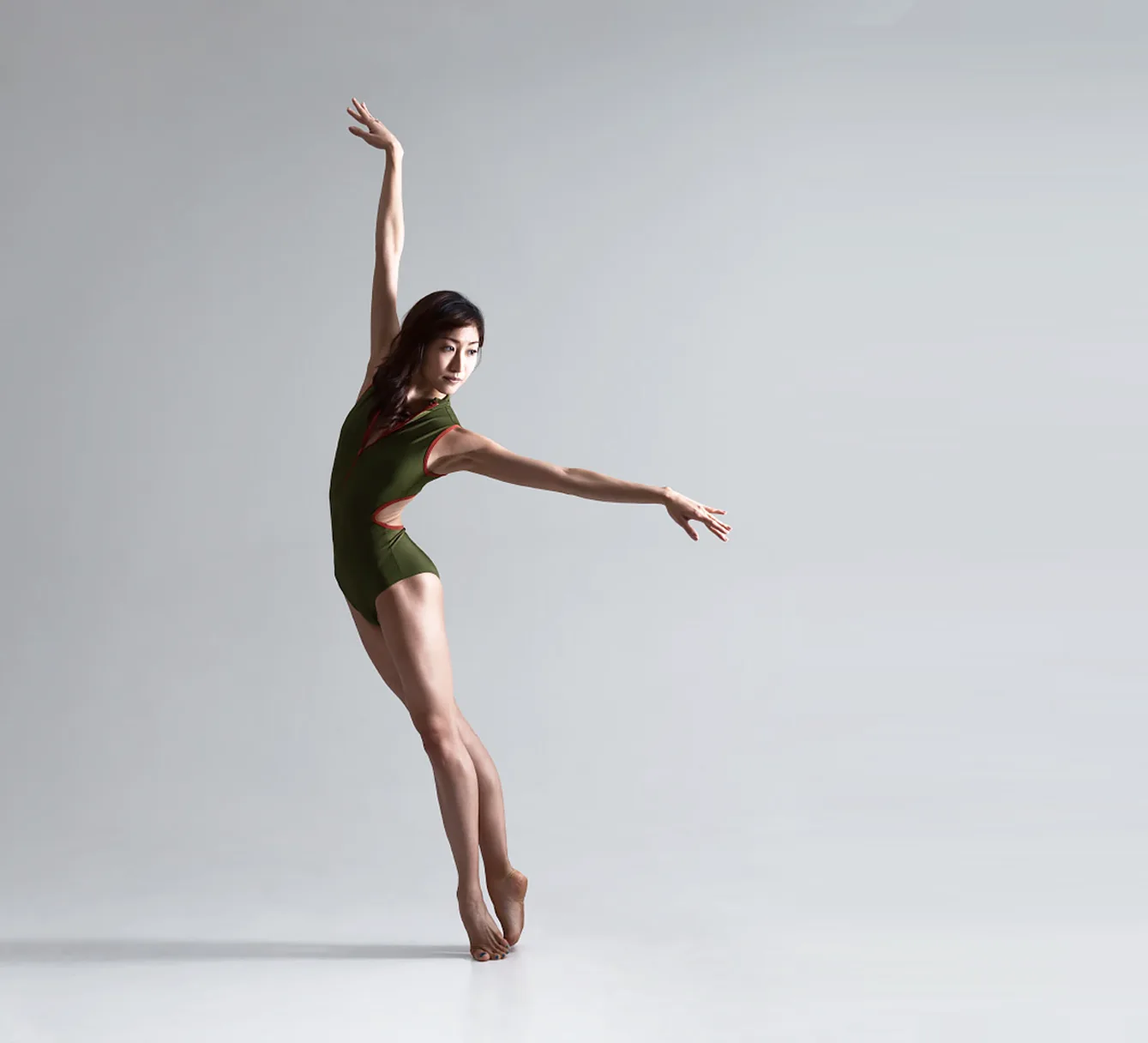
An Argentine dancer, teacher and choreographer, Verónica began dancing at age three and developed the Method through training and professional experience in Ballet, Contemporary and Jazz.

Her curriculum records work with Ballet del Mercosur and Tangokinesis, performances in more than 17 countries, a season at the Palace of Versailles and participation in the filming of Francis Ford Coppola’s “Tetro”.

Verónica developed and taught the Method in Buenos Aires before moving to Brazil in 2010. In São Paulo she taught at established schools, and the work went on to circulate in Argentina, Brazil, Colombia, Portugal and Germany.

  • University-level arts training in Argentina
  • Ballet del Mercosur · 2004
  • Tangokinesis · 2006–2009
  • Indigo Ballet · direction and choreography

Faculty

Accredited teachers

The current public set brings together teachers accredited to teach Neoclassical — Verónica Tandura Method. Their curricula combine classical training and different professional experiences; profiles will expand progressively on the platform.

Gleici Vicentin

Accredited teacher

Gleici Vicentin

Dancer trained through the Royal Academy of Dance and the Ballet Adriana Assaf technical dance program.

Lucas Borges

Accredited teacher

Lucas Borges

Dancer trained through the Royal Academy of Dance and qualified as a teacher by Cuba’s National Ballet School.

Isabella Morcinelli

Accredited teacher

Isabella Morcinelli

Dancer trained through the Royal Academy of Dance, with professional experience in dance and musical theatre.

Study the Method

In person, live online and on demand.

The Method is offered in person, live online and through recorded classes. It addresses Ballet students from age 12 — from beginner through professional levels — and also adult beginners with no previous dance experience.

01

In-person classes

The fullest setting for barre, centre, travelling, musicality and spatial work under the guidance of accredited teachers. The format allows adjustments and progression to be observed within the real context of class.

02

Live online

Synchronous classes adapted to the available space while preserving attention, coordination, musicality and progressive construction of exercises. The goal is not to imitate a larger studio but to preserve the logic of the work.

03

Recorded classes

Recorded courses and materials allow exercises to be revisited, sequences to be studied and details to be reviewed at another pace. The platform organises this content as a progressive study path.

Media

Interviews and video classes.

Conversations, classes and records from the Method’s public archive, gathered from the official YouTube channel.

Video classes

Método de Neoclásico Verónica Tandura en Hotmart - Curso completo

Video from the Method’s official channel: “Método de Neoclásico Verónica Tandura en Hotmart - Curso completo”.

Technical library

Research & movement.

Essays on dance, biomechanics, learning and performance. Each piece separates what the literature actually measures, what remains a hypothesis, and what belongs to pedagogical practice.

Latest publication

Brain & learning · #021

Neuroplasticity and dance: the brain changes, but the word needs precision

Neuroplasticity has become a popular term and sometimes an explanation for every benefit. In research it has a more specific meaning: structural or functional change associated with experience and training.

Research and editing · DanceNeo8 min read
Read article

Contact

Want to study, teach or learn more about the Method?

Use the official channel for information about classes, projects, teacher training and collaborations.

Write to meet@danceneo.com