
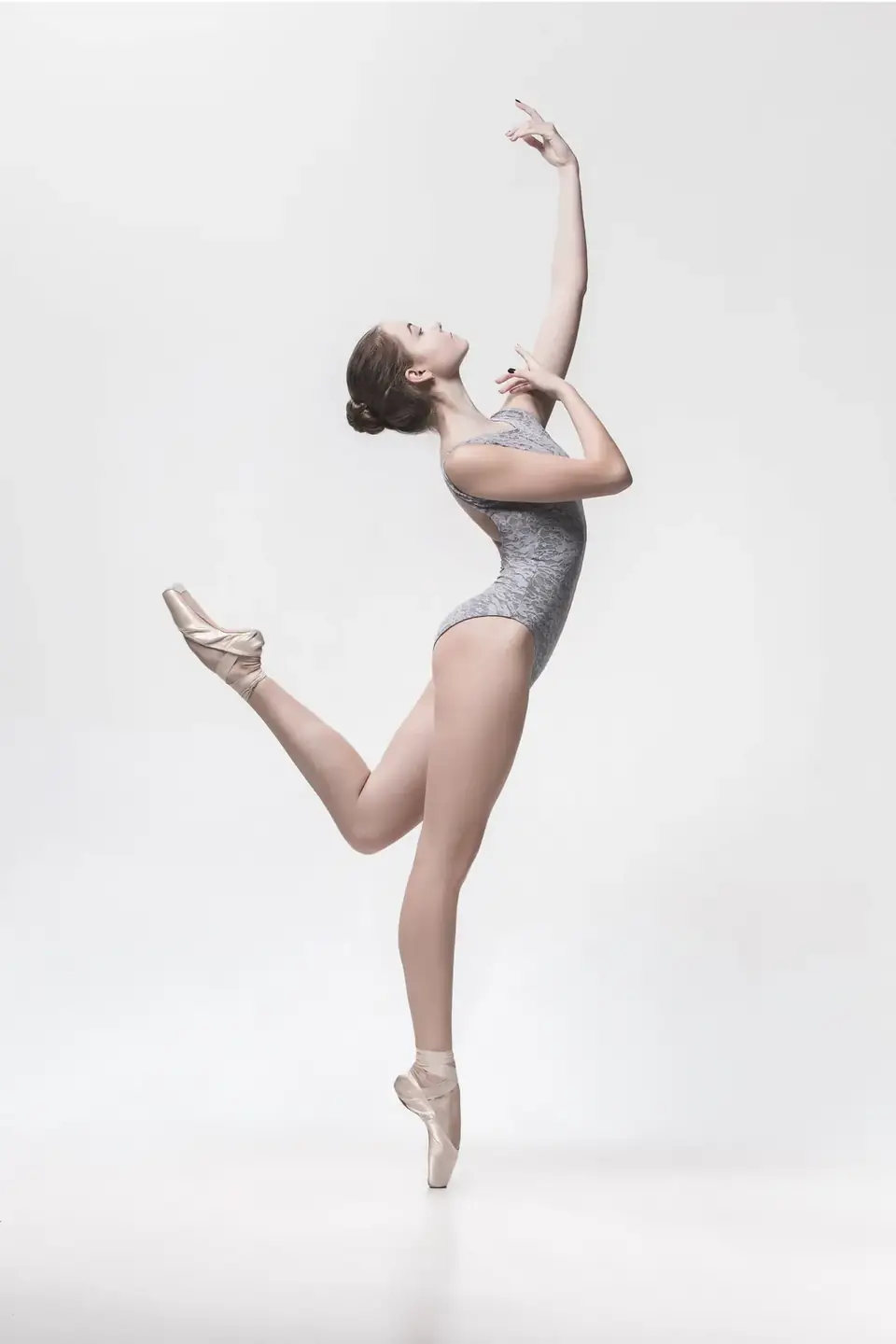
Imagine the crown of the head rising, the ribs opening like a fan, the foot travelling through the floor. Dance language is full of images that are not literal anatomy but organise attention and sensation. A literature review of imagery in dance identified 43 articles and showed dancers using mental representations for multiple purposes: learning sequences, changing movement quality, preparing performance, regulating emotion and exploring intention.
Imagery is not one technique. It can be visual, kinaesthetic, spatial, metaphorical or anatomical. An image that helps one dancer may confuse another. Timing also matters: visualising the pathway of an arm is different from imagining weight or musical texture. The evidence remains heterogeneous and does not support a universal conversion between mental and physical repetitions.
Scientific interest is partly driven by the fact that imagined movement engages networks involved in planning and simulating action. That does not mean thinking replaces training. Imagery can complement physical practice, particularly when attention, sequence review or task preparation is needed without adding the same mechanical load. Transfer depends on how specific and meaningful the representation is for the dancer.
For teachers, the best image may not be the most poetic but the one that produces the intended effect without unnecessary tension. Asking what a dancer noticed after a metaphor turns poetic language into a learning tool. Science and imagination are not opposites here: an image is one way of directing attention toward bodily organisation.