
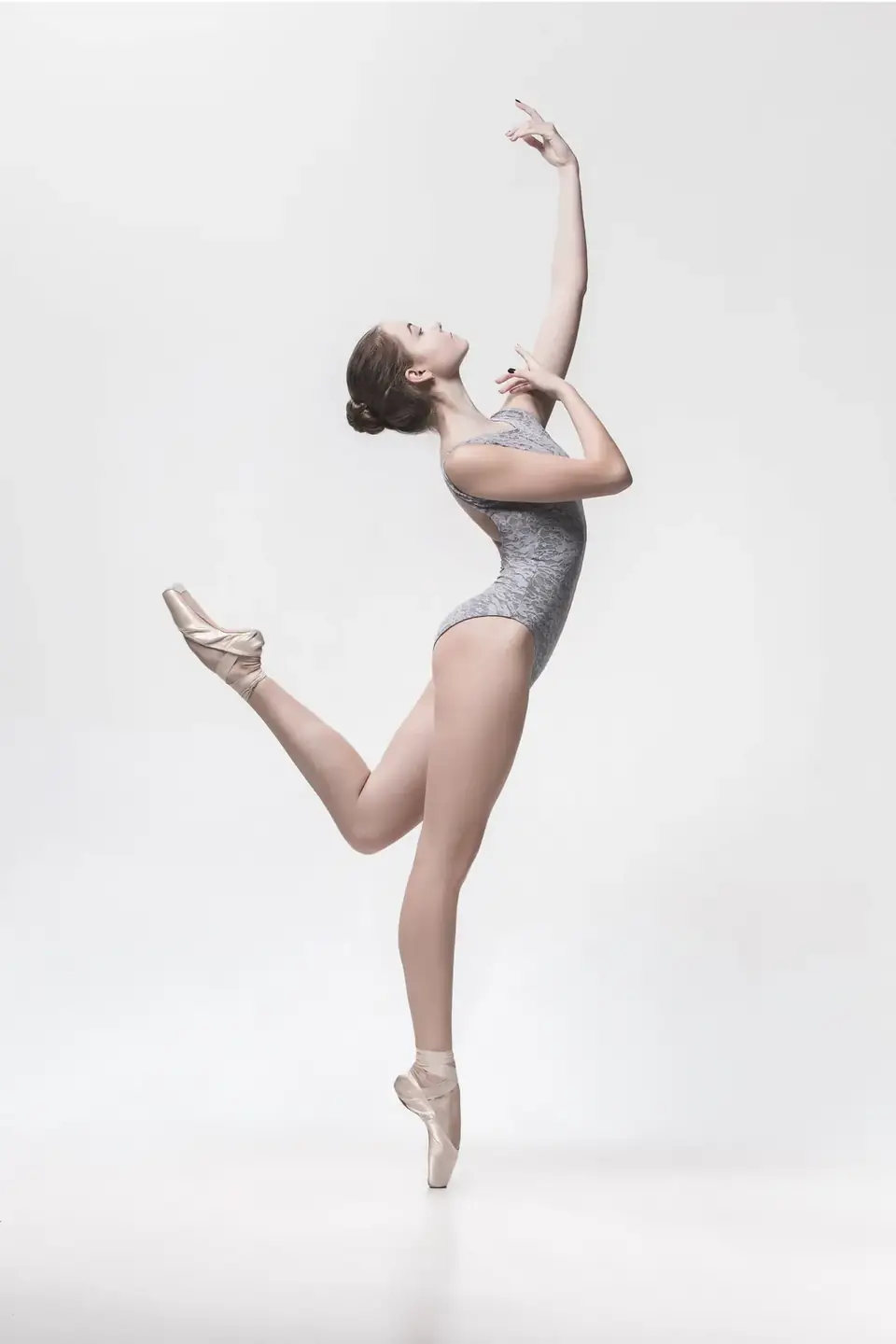
Adolescence introduces a variable adults do not experience in the same way: the equipment changes while it is being used. Bones grow, proportions reorganise, and strength and flexibility do not always keep pace together. A systematic review of range of motion in adolescents found growth-related changes and a possible relationship with injury. More recent prospective work in elite ballet schools has also associated growth rate with growth-related injury occurrence.
For a young dancer, this period can be frustrating because movements that felt automatic may temporarily become less precise. Centre of mass shifts, lever lengths increase, and the internal sense of where each segment sits has to be recalibrated. A temporary reduction in flexibility does not necessarily mean technical regression, just as immediately forcing a previous range may not be the best response.
Risk does not depend on growth alone. Training volume, maturation, strength, sleep, nutrition, school load and injury history all shape the context. The evidence base still has limitations and not every change in range predicts injury. What the research does support is treating growth as a dynamic phase and adapting expectations and progressions accordingly.
Pedagogically, monitoring growth can be as important as monitoring technical level. Rapid changes in height, foot length or coordination deserve attention, particularly when they coincide with increased hours, the start of pointe work or intense performance periods. The aim is not to reduce ambition, but to allow technique to reorganise with the changing body.