
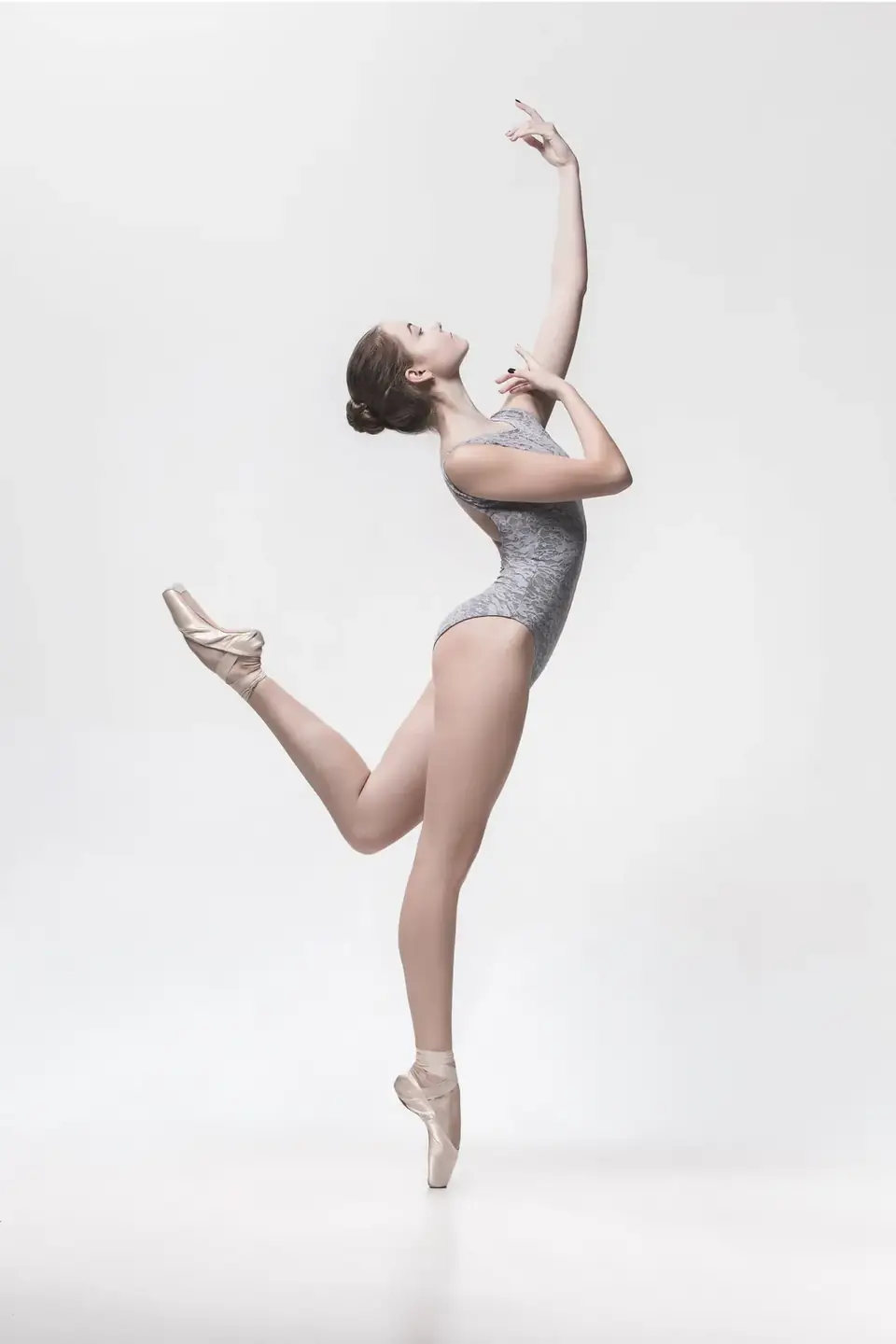
Dance may look like an activity of the body, but from the brain's perspective it is also a prediction task. Dancers anticipate music, position, trajectory and other people while correcting movement in real time. Reviews of dance neuroscience show that observing familiar movement, executing action and imagining action recruit partially overlapping networks. Experience changes how those networks respond.
This helps explain a familiar classroom phenomenon: an experienced dancer can watch a sequence and have a sense of how it would feel before physically performing it. Action-observation studies suggest that motor familiarity influences brain activity, but the result should not be turned into a myth about dance-specific neurons. The underlying networks are shared with many other forms of perception and action.
Structural studies have also reported differences between trained and untrained people, while intervention reviews describe changes associated with practice. Group differences, however, do not prove that dance caused every observed feature. Selection, previous experience, music and general physical activity may contribute. Longitudinal studies are more informative when the question is change produced by training.
For teaching, the value of this field lies less in memorising brain-region names and more in recognising that learning is multimodal. Seeing, hearing, imagining, receiving feedback and executing belong to the same system. Technique is built not only through the number of repetitions but through the quality of information each repetition provides.