
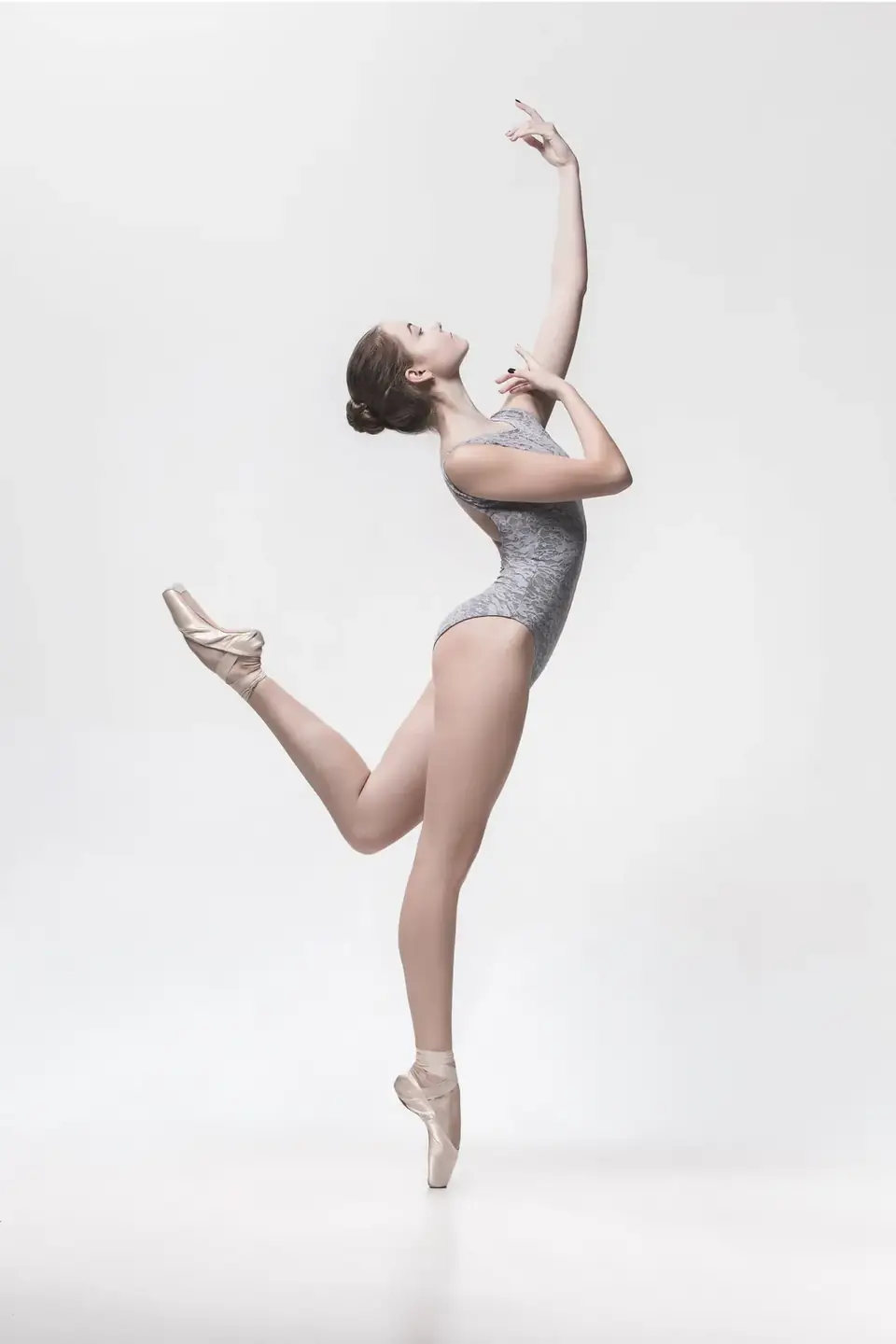
Dancers often count hours of class, rehearsal and performance. Recovery is less often counted with the same precision. Sleep supports processes related to attention, memory, emotional regulation and physical repair, making it plausibly important for people learning and repeating complex movement. A 2026 meta-analysis of dance interventions and sleep quality found small-to-moderate improvements across different populations, but that result mainly addresses how dancing affects sleep, not directly how sleep duration affects professional dance performance.
The distinction matters. General sport and sleep research suggests that restriction can affect cognition and recovery, but dancer-specific evidence is smaller. It would therefore be excessive to claim one universal number of hours that prevents injury or guarantees good performance. A safer conclusion is that insufficient sleep adds to other loads and may reduce adaptive margin.
Performance schedules, travel, early classes and parallel work make the issue practical. One poor night may have little consequence, while several weeks of short sleep during a demanding season may become more relevant. Longitudinal pattern usually matters more than one episode. Sleepiness, concentration difficulty, irritability and slower recovery can help contextualise a drop in technical quality.
Treating sleep as part of training does not mean turning rest into another performance obligation. It means recognising that adaptation requires time outside the studio. When schedules allow, regularity, an appropriate environment and real recovery space are as legitimate a part of preparation as any exercise set.