
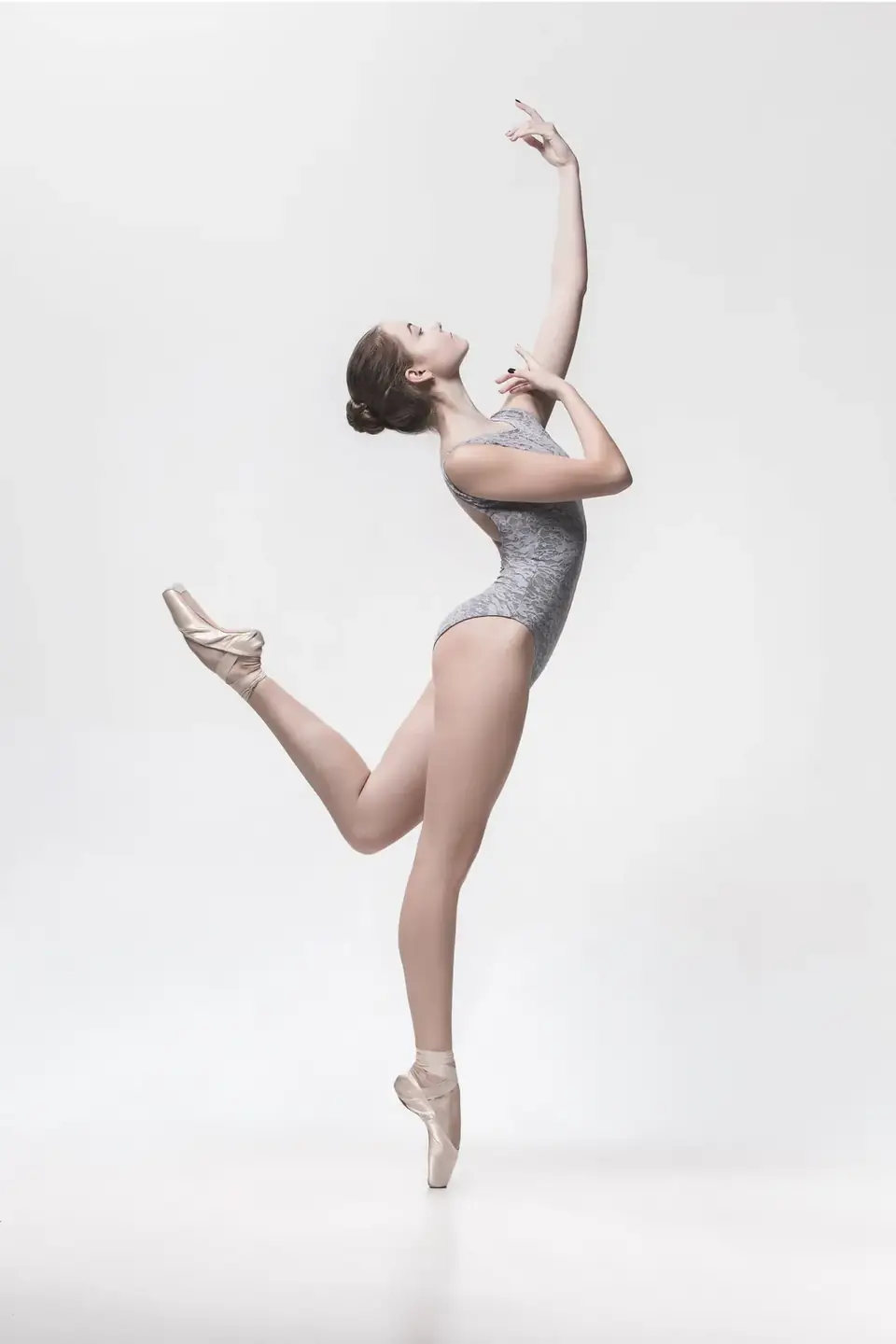
A pointe shoe is at once a technical tool, a crafted object and a biomechanical interface. It reorganises how forces reach the toes, forefoot and ankle and changes the contact area with the floor. A 2024 scoping review mapped 35 studies on pointe shoes, covering toe boxes, shanks, shoe condition, footwear types, specific ballet movements, symptoms and intrinsic foot characteristics. Despite the apparent volume, most studies were cross-sectional and many practical questions remained unanswered.
One problem is ecological validity. Measuring a single position on a force plate does not necessarily reproduce a long variation, a diagonal or a season in which shoes progressively soften. Wear, individual preparation, foot shape and technical preference can alter how the shoe behaves. Turning one experimental result into a universal rule about brand, stiffness or replacement timing would therefore go beyond the evidence.
What the literature supports more confidently is that the shoe is not neutral. It participates in mechanics and can change load distribution and muscle activity. Reviews of foot and ankle injury also associate footwear-related factors and high exposure with problems in this region, although isolating the causal contribution of each element is difficult. Recurrent discomfort or a sudden loss of support should therefore be interpreted alongside technique, workload, shoe condition and individual anatomy.
For teaching, this means treating pointe as a progressive skill rather than a simple change of footwear. Physical preparation, control, alignment and experience remain central. The shoe expands aesthetic possibilities, but it does not create readiness on its own. Once the object is understood as part of the system, fit and maintenance stop being details and become part of technique.